Field results with Ca-B-Sul on hot peppers in Al Beheira
GROGREEN Agronomy TeamLima Europe NV16/02/20265 min read
In fruit crops such as hot peppers, sweet peppers, and tomatoes, calcium is an essential structural element. It is required for cell wall integrity, preventing blossom end rot, and maintaining skin quality after harvest. In a field trial on hot peppers in Egypt, GROGREEN Ca-B-Sul delivered better fruit set and straighter fruit than standard calcium chloride.
In practice, growers often use standard calcium chloride (CaCl2). Although it is a familiar calcium source, the presence of chloride introduces operational and physiological risks for the crop.
This article reviews calcium uptake physiology, the drawbacks of chloride accumulation, and the effects of a chloride free formulation containing boron and sulfur: GROGREEN Ca-B-Sul.
Calcium transport in the plant
Calcium is inherently immobile inside the plant. Its movement occurs almost exclusively through the xylem transpiration stream, traveling from the roots toward the actively transpiring leaves.
Because developing fruits transpire very little water compared to leaves, relatively little calcium reaches the fruit via the natural transpiration stream, especially during rapid cell division and expansion. Supplemental foliar or root applications are therefore necessary, but the composition of the applied product determines its effectiveness.
The impact of chloride (Cl⁻) on the crop
Calcium chloride supplies calcium, but it simultaneously introduces chloride ions (Cl−). While crops require trace amounts of chloride as a micronutrient, higher dosages or repeated applications cause physiological drawbacks:
Salt stress: Repeated use of CaCl2 raises the electrical conductivity (EC) in the root zone and on leaf surfaces. This increases osmotic pressure, making water and nutrient uptake more difficult.
Leaf damage: High concentrations of chloride in leaf tissue can cause tip burn and marginal necrosis, reducing the functional leaf area available for photosynthesis.
Nutrient competition: An excess of chloride anions actively competes with the uptake of other beneficial anions, such as nitrate (NO3−) and sulfate (SO42−).
Composition of GROGREEN Ca-B-Sul
Supplements
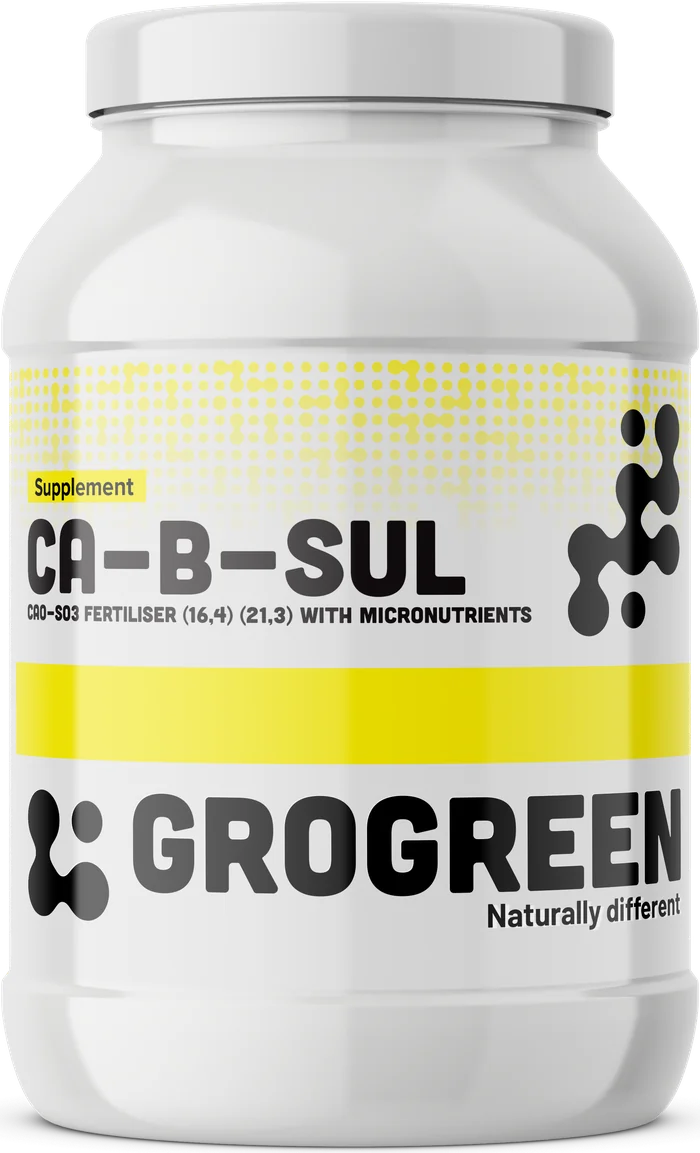
Ca-B-SulA chloride and nitrogen free calcium supplement with boron, sulfur and an osmoprotectant, for strong cell walls and premium fruit quality.
The formulation combines calcium with two key conutrients and an osmoprotectant:
Field trial: F60 Champion hot pepper (Al Beheira, Egypt)
In partnership with our local distributor, TIBA for Trading & Agencies & Agricultural Development, a comparative field trial was conducted in Al Beheira, Egypt.
Application timingOctober 23, 2025, and a second spray 14 days later (flowering to early fruit set)
Water volume400 L per feddan (1 feddan=0.42 ha)
RatesCa-B-Sul 1.0 kg vs CaCl2 1.0 L per feddan
Trial results
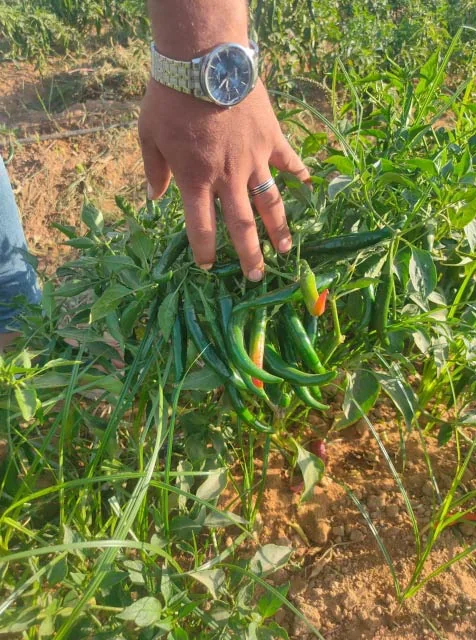
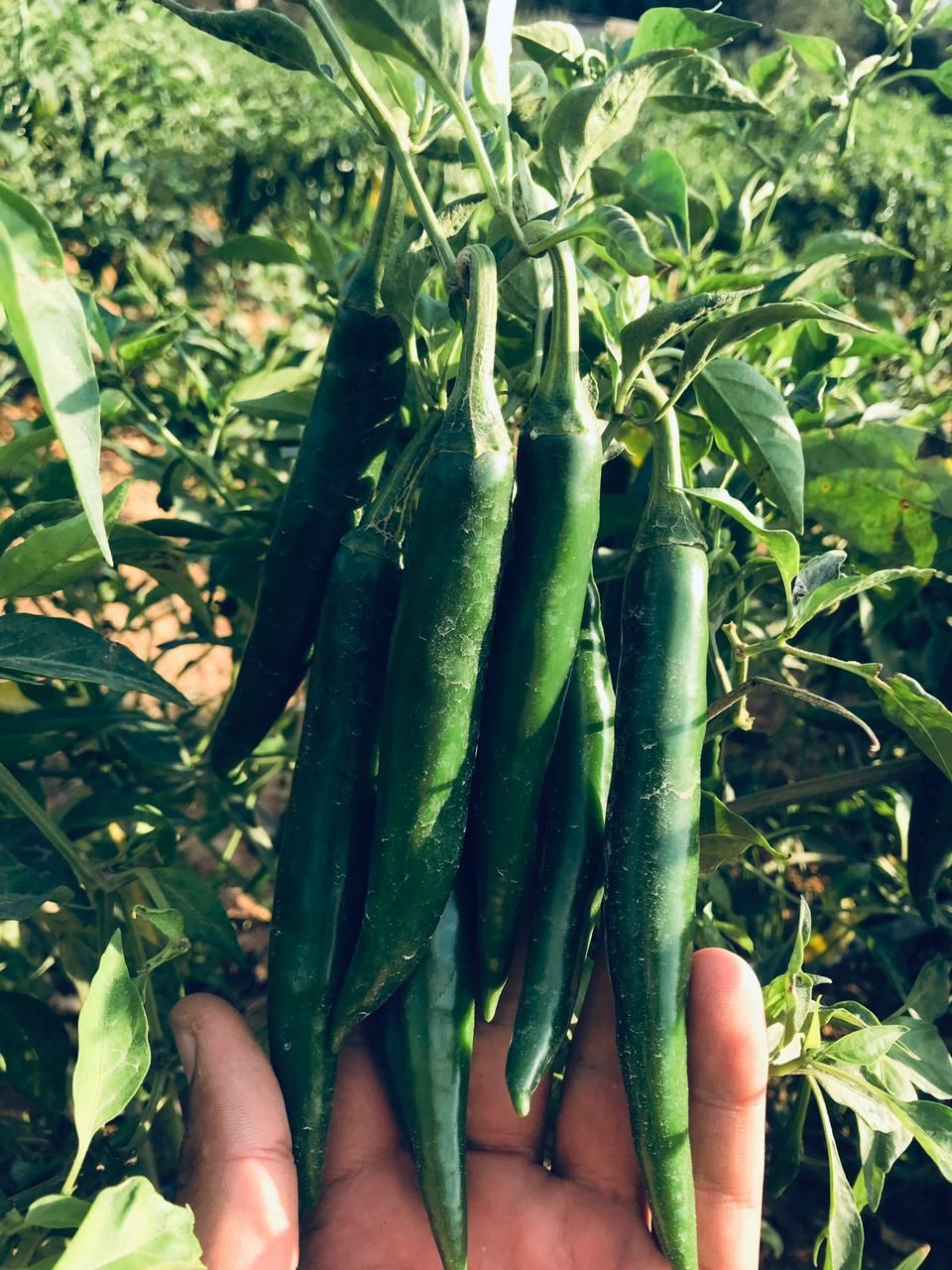
The two treatments showed clear differences in fruit quality, shape, and set:
Calcium chlorideFlower drop, low fruit set
Ca-B-SulFlowers retained, fruits setting
Calcium chloride
Ca-B-Sul
Technical comparison
Ca-B-Sul
CaCl2
Chloride (Cl−)
Boron (1.74% B)
Sulfur (21.3% SO3)
Osmoprotectant
Application Safety During Flowering
High
Risk of leaf/flower burn
Application guidelines
For optimal results in the field:
Timing: Begin applications at early flowering and repeat 10 to 14 days later during early fruit fill.
Water quality: Use clean water and check solution pH and EC before preparing the tank mix.
Irrigation management: Maintain consistent root zone moisture. Frequent, smaller irrigation passes support steady calcium transport through the xylem.
Questions or technical support?To learn more about incorporating Ca-B-Sul into your crop program, contact the Lima Europe agronomy team or your local distributor.


 Calcium chloride
 Ca-B-Sul