
Oilseed rape (Brassica napus), also known as rapeseed or canola, is one of the world’s most critical oilseed crops, primarily grown for its high-quality vegetable oil and protein-rich animal feed. As a highly efficient member of the Brassicaceae family, it has become a staple in temperate agricultural rotations due to its rapid growth and soil-improving qualities.
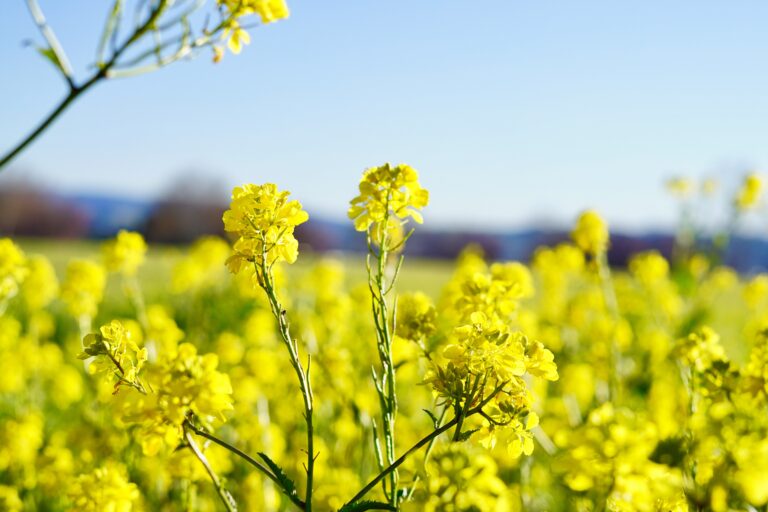
Agronomically, oilseed rape is grown as either a winter or spring annual, characterized by its vibrant yellow flowering stage and the production of small, oil-dense seeds within specialized pods called siliques. It is a highly competitive crop that requires precise timing for sowing and harvesting to maximize oil content and minimize seed shattering. Establishing a uniform stand is the first step in ensuring the plant can withstand seasonal pressures and reach its full yield potential.

Oilseed rape is a cool-season crop that thrives in temperatures between 12°C and 22°C. While it is remarkably cold-tolerant—with winter varieties requiring a period of vernalization to flower—it is highly sensitive to extreme heat (above 27°C) during the flowering and pod-filling stages, which can cause “flower blast” and significantly reduce seed set. It requires well-distributed rainfall of at least 400 mm to 600 mm annually, as moisture stress during the reproductive phase can lead to premature ripening and lower oil quality.
This crop performs best in moderate relative humidity, typically between 50% and 70%. While humidity helps maintain leaf turgidity and supports nectar production for pollinators, excessive humidity (above 80%) in a dense canopy increases the risk of damaging fungal diseases such as Sclerotinia stem rot and Alternaria. Good air circulation within the field is necessary to allow the canopy to dry quickly after rain or heavy dew.
The ideal soil is a deep, fertile, and well-structured loam that can accommodate the plant’s powerful and deep taproot system, which is essential for stabilizing the tall stalks and accessing subsoil moisture. Oilseed rape is sensitive to soil compaction and “wet feet”; therefore, excellent drainage is critical to prevent root suffocation and ensure the plant can efficiently take up the high levels of nitrogen and sulfur it requires for seed development.
For optimal growth and nutrient availability, maintain a slightly acidic to neutral pH between 6.0 and 7.5. Within this range, the plant remains vigorous and healthy; however, if the soil becomes too acidic (below 5.5), the risk of clubroot—a soil-borne disease common to Brassicas—increases significantly, and the plant may suffer from manganese toxicity or poor phosphorus uptake.
The table below provides an overview of the recommended product applications throughout crop development. It shows which product to apply, the appropriate timing and the method of application. This helps ensure that your crops receive the right support exactly when they need it.



Reach out today to explore the right solutions for healthier soil, stronger crops, and bigger yields. Your next harvest starts with Grogreen.

Do you wish to review the complete Gro Green catalogue or would you prefer to receive specific and more detailled information about one of our products?



