
Table grapes (Vitis vinifera) are high-value deciduous perennial vines cultivated specifically for fresh consumption. Unlike wine grapes, which are bred for high sugar and acidity, table grapes are selected for their large berry size, thin skins, firm texture, and aesthetic appeal.
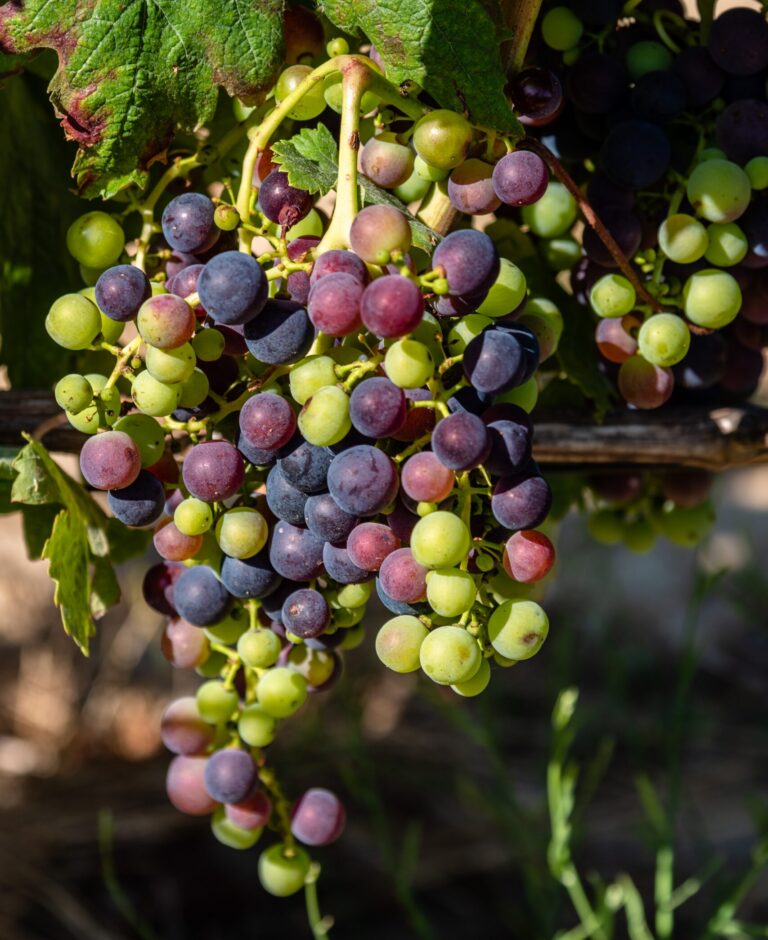
Agronomically, table grapes are characterized by a complex training and trellising system designed to manage their vigorous climbing habit and ensure maximum light penetration. They require intensive hand labor for tasks such as dormant pruning, shoot thinning, and cluster leaf-removal to achieve uniform coloring and optimal fruit size. Establishing a precise water and nutrient regime—from budburst through the critical “veraison” (ripening) stage—is the first step in producing a high-quality, marketable crop.

Table grapes thrive in Mediterranean and semi-arid climates with long, warm summers and daytime temperatures between 24°C and 32°C. They require a period of winter chilling, typically between 200 and 2,000 hours depending on the variety, to break dormancy and ensure even budburst in the spring. While they crave heat for sugar development, they are highly sensitive to late spring frosts and require a dry period during harvest; heavy rains during ripening can cause the thin-skinned berries to split and rot.
This crop performs best in low to moderate relative humidity, ideally between 40% and 60%. Low humidity is essential for maintaining fruit quality and reducing the pressure from fungal diseases like Powdery Mildew and Botrytis bunch rot. In higher-humidity environments (above 70%), the dense canopy can trap stagnant air, requiring aggressive leaf thinning and specialized pruning to ensure the clusters dry quickly after dew or light rain.
The ideal soil is a deep, well-aerated sandy loam or gravelly soil that can accommodate the vine’s powerful and deep root system, which can extend several meters to find moisture. Table grapes are notoriously “intolerant of wet feet”; they require exceptional internal drainage to prevent root rot and ensure the roots have constant access to oxygen. While they can grow in rocky or poor soils, they respond well to balanced organic matter, provided the soil structure remains loose and uncompacted.
For optimal vine health and fruit flavor, maintain a slightly acidic to neutral pH between 6.0 and 7.5. Within this range, the vines can effectively absorb the micronutrients—especially iron, zinc, and magnesium—that are critical for leaf health and fruit set. If the soil becomes too alkaline (above 8.0), table grapes often suffer from “iron chlorosis,” resulting in yellowing leaves and a significant loss in fruit quality and yield.
The table below provides an overview of the recommended product applications throughout crop development. It shows which product to apply, the appropriate timing and the method of application. This helps ensure that your crops receive the right support exactly when they need it.
Reach out today to explore the right solutions for healthier soil, stronger crops, and bigger yields. Your next harvest starts with Grogreen.

Do you wish to review the complete Gro Green catalogue or would you prefer to receive specific and more detailled information about one of our products?



