The tomato (Solanum lycopersicum) is one of the most widely consumed and economically significant vegetable crops in the world, valued for its culinary versatility and nutritional profile. As a member of the Solanaceae family, it is grown globally in both open fields and high-tech greenhouse environments.
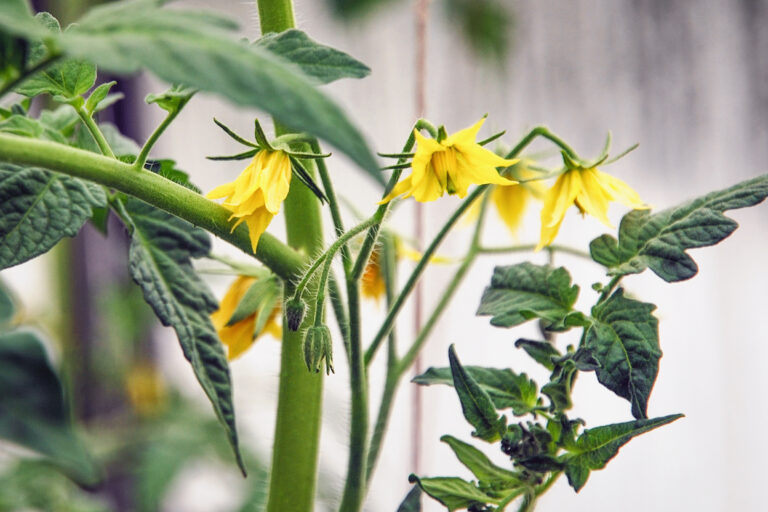
Agronomically, tomatoes are perennial plants typically cultivated as annuals, falling into two primary growth categories: determinate (bush-type) and indeterminate (climbing-type). They are characterized by a vigorous growth habit and a high demand for consistent environmental management to support their continuous flowering and fruiting cycles. Establishing a robust support system—such as staking or trellising—and managing vegetative vs. reproductive balance is the first step in ensuring high yields of uniform, crack-free fruit.

Tomatoes are warm-season crops that perform best when daytime temperatures stay between 21°C and 29°C. They are highly sensitive to temperature extremes; if night temperatures drop below 13°C or day temperatures exceed 35°C, the plant may experience “blossom drop,” where flowers fail to set fruit. They require a long, frost-free growing season and at least 6 to 8 hours of direct sunlight daily to develop the complex sugars and lycopene levels that define their flavor and color.
This crop performs best in moderate relative humidity, ideally between 60% and 85%. Maintaining this range is critical; very low humidity can dry out the stigma and prevent pollination, while extremely high humidity (above 90%) prevents pollen from shedding and creates an ideal environment for Late Blight and Grey Mold (Botrytis). Proper plant spacing and leaf pruning are essential to maintain airflow within the canopy and keep the foliage dry.
The ideal soil is a deep, fertile, and well-drained sandy loam or silt loam that can accommodate the plant’s expansive and moderately deep root system. Tomatoes are “heavy feeders” that require high levels of organic matter and a steady supply of macronutrients, particularly potassium, for fruit development. While they need consistent moisture, they are intolerant of waterlogged conditions, which can lead to root suffocation and increased susceptibility to soil-borne wilts.
For optimal growth and nutrient availability, maintain a slightly acidic to neutral pH between 6.0 and 7.0. This range is particularly vital for the uptake of calcium; if the soil becomes too acidic (below 5.5), the plant often suffers from blossom end rot, a common physiological disorder where the bottom of the fruit turns black and leathery due to localized calcium deficiency.
The table below provides an overview of the recommended product applications throughout crop development. It shows which product to apply, the appropriate timing and the method of application. This helps ensure that your crops receive the right support exactly when they need it.




Reach out today to explore the right solutions for healthier soil, stronger crops, and bigger yields. Your next harvest starts with Grogreen.

Do you wish to review the complete Gro Green catalogue or would you prefer to receive specific and more detailled information about one of our products?