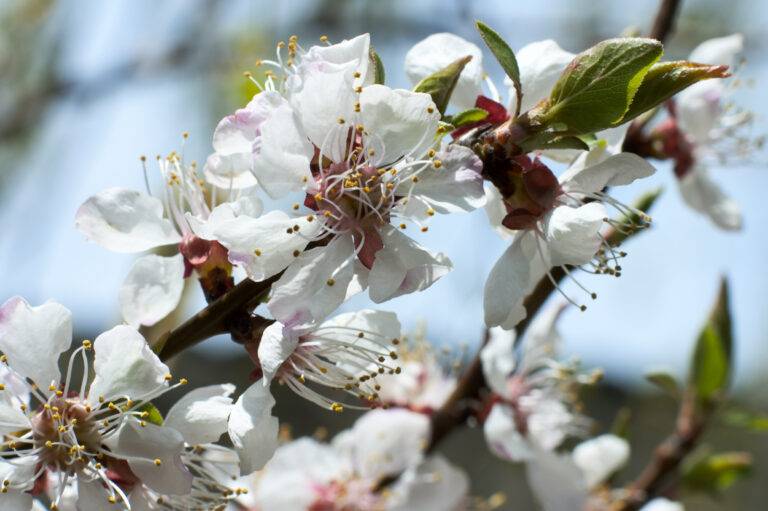
Stone fruits (Prunus spp.), including peaches, nectarines, plums, cherries, and apricots, are high-value deciduous perennial fruit crops prized for their succulent drupes. Belonging to the Rosaceae family, these trees are staples of temperate and Mediterranean agriculture, favored for their vibrant spring blossoms and diverse seasonal harvest windows.
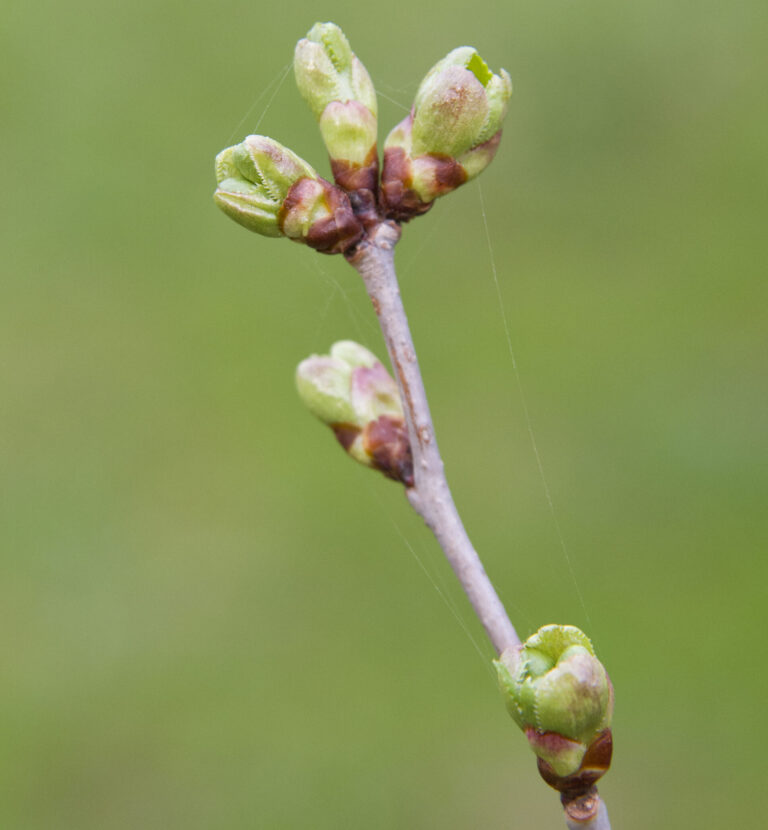
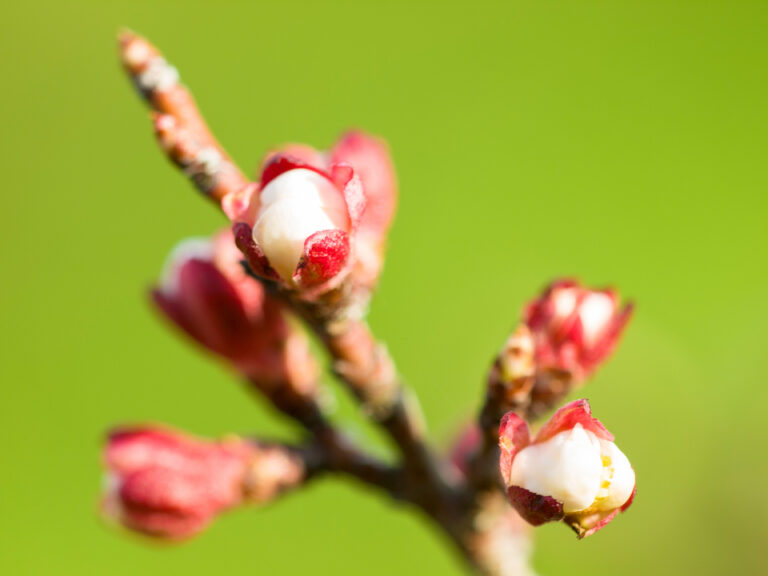
Agronomically, stone fruits are characterized by their early flowering and a relatively fast fruit-development cycle compared to pome fruits. They are highly sensitive to spring frosts, which can destroy the delicate blossoms and eliminate an entire year’s crop. Establishing the correct orchard management—from precise dormant pruning to thinned fruit loads—is the first step in ensuring large, high-sugar fruits and maintaining the long-term structural integrity of the tree.
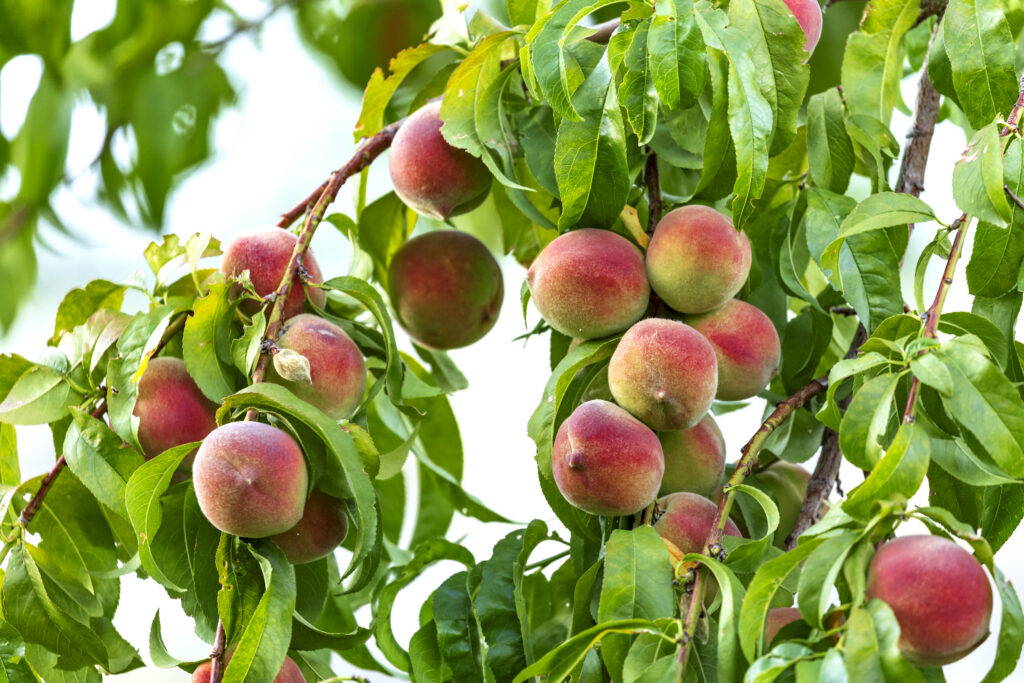
Stone fruits thrive in temperate and Mediterranean climates with summer temperatures between 21°C and 30°C. They require a specific period of winter chilling, typically needing between 600 and 1,000 chilling hours (below 7°C) to break dormancy, though “low-chill” varieties exist for warmer regions. While they crave summer heat for sugar accumulation, they are highly vulnerable to late spring frosts and require a dry period during ripening to prevent fruit splitting and fungal infections.
These trees perform best in low to moderate relative humidity, ideally between 40% and 60%. Low humidity is particularly important during the flowering and fruiting stages to discourage the spread of Brown Rot (Monilinia spp.), a devastating fungus that thrives in damp, stagnant air. In high-humidity environments (above 75%), these crops require rigorous canopy management to ensure maximum light penetration and rapid drying of the foliage and fruit skins.
The ideal soil is a deep, fertile, and well-aerated sandy loam that can accommodate the tree’s expansive and moderately deep root system. Stone fruits are famously intolerant of “wet feet”; even 24 to 48 hours of standing water during the active growing season can cause irreversible root death and tree decline. They require excellent internal drainage and benefit from high organic matter, though they are sensitive to high salt concentrations in the root zone.
For optimal tree vigor and fruit quality, maintain a slightly acidic to neutral pH between 6.0 and 7.0. Within this range, the tree can effectively access the micronutrients—such as iron, zinc, and boron—that are essential for blossom health and fruit firmness. If the soil becomes too alkaline (above 7.5), Prunus species often develop “interveinal chlorosis,” where the leaves turn yellow while the veins stay green, signaling a severe nutrient lockout.
The table below provides an overview of the recommended product applications throughout crop development. It shows which product to apply, the appropriate timing and the method of application. This helps ensure that your crops receive the right support exactly when they need it.
Reach out today to explore the right solutions for healthier soil, stronger crops, and bigger yields. Your next harvest starts with Grogreen.

Do you wish to review the complete Gro Green catalogue or would you prefer to receive specific and more detailled information about one of our products?