
The strawberry (Fragaria × ananassa) is one of the most popular and high-value soft fruit crops globally, prized for its intense aroma and sweet-tart flavor. As a low-growing perennial herb typically cultivated as an annual or short-lived perennial in commercial systems, it is a staple of both open-field and greenhouse production.
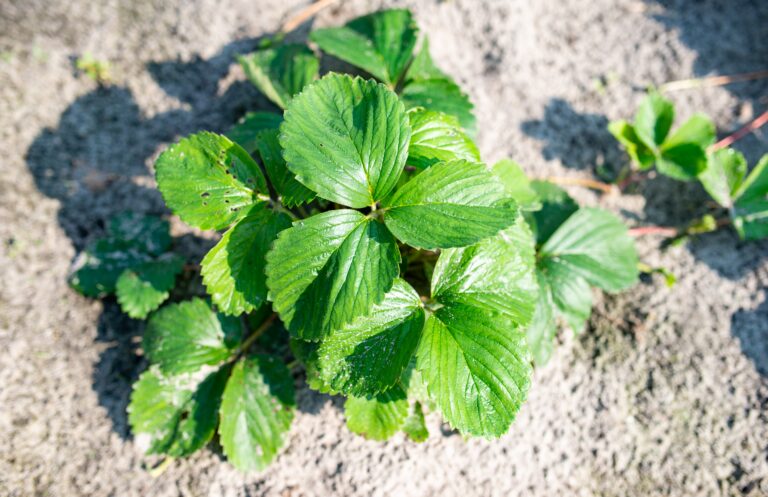
Agronomically, strawberries are characterized by their unique growth habit, utilizing runners (stolons) for vegetative propagation and producing fruit from a central crown. Their development is highly sensitive to day length and temperature, which dictate the transition from leaf production to flowering. Establishing a precise planting schedule and protecting the shallow root system is the first step in ensuring consistent fruit size and a long harvest window.

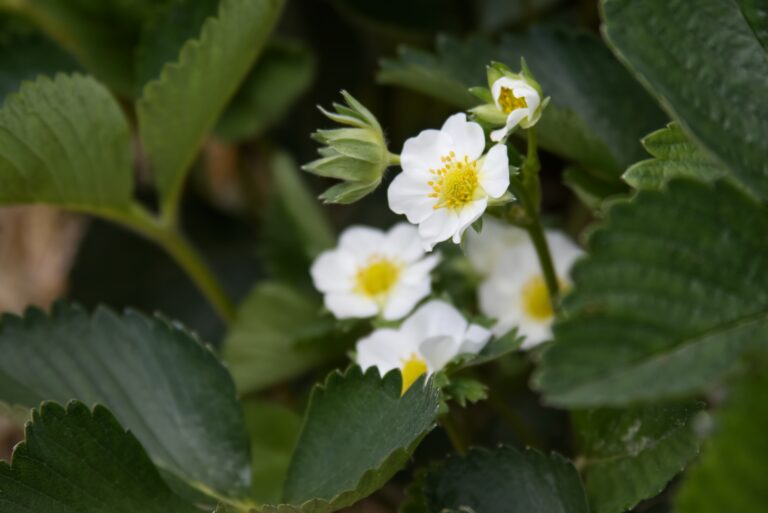
Strawberries are temperate crops that perform best when daytime temperatures stay between 18°C and 24°C. While the plants themselves are relatively hardy, the blossoms are extremely frost-sensitive and can be destroyed by temperatures just below 0°C. They require a period of chilling during dormancy to ensure vigorous growth in the spring, but excessive heat (above 30°C) during the fruiting stage causes the berries to soften, stay small, and lose their flavor profile.
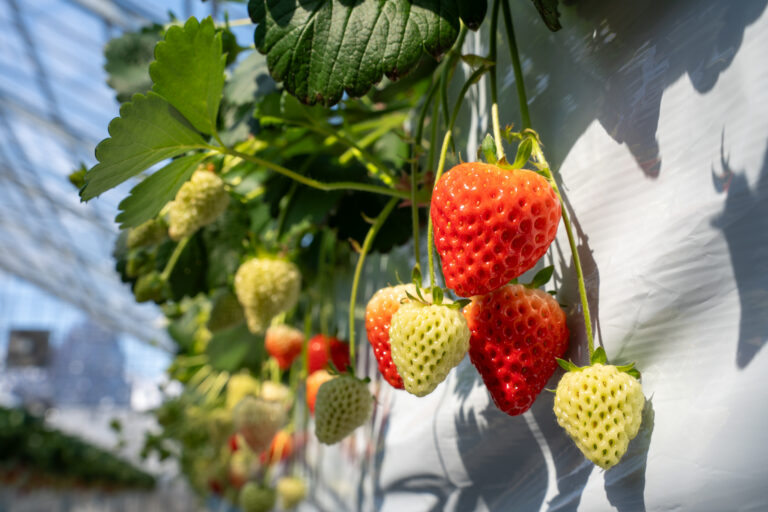
This crop performs best in moderate relative humidity, ideally between 60% and 75%. Maintaining this range is a delicate balance; while humidity supports the plant’s lush foliage, high stagnant humidity (above 85%) is the primary driver for Botrytis (Grey Mold), a fungus that can rapidly rot the fruit before or after harvest. Good air circulation and the use of raised beds or plastic mulch are essential to keep the berries off the damp soil and allow the canopy to dry quickly.
The ideal soil is a rich, well-drained sandy loam that can accommodate the plant’s shallow and highly sensitive root system. Strawberries are “heavy feeders” that require high levels of organic matter to support their rapid fruiting cycles. They are notoriously intolerant of waterlogged conditions, which lead to root rot (Phytophthora), yet because their roots are so shallow, they require frequent, light irrigation to prevent moisture stress.
For optimal growth and fruit quality, maintain a slightly acidic pH between 5.5 and 6.5. Within this range, the plant can effectively absorb the phosphorus and micronutrients necessary for berry development. If the soil becomes too alkaline (above 7.0), strawberries often suffer from iron chlorosis, resulting in yellowing leaves and a significant decline in overall plant vigor and yield.
The table below provides an overview of the recommended product applications throughout crop development. It shows which product to apply, the appropriate timing and the method of application. This helps ensure that your crops receive the right support exactly when they need it.



Reach out today to explore the right solutions for healthier soil, stronger crops, and bigger yields. Your next harvest starts with Grogreen.

Do you wish to review the complete Gro Green catalogue or would you prefer to receive specific and more detailled information about one of our products?



